

Envío GRATIS a España desde solo 45€ | Tarifas ajustadas por peso y dirección para el resto de pedidos. Dismiss
Enjoying a weekend on the slopes is a wonderful experience, but for your face it is a real challenge.In the snow, your skin faces adverse conditions that go beyond sun exposure. If you want to avoid premature aging and irritation, you need a clear strategy. We share with you the most common mistakes and reveal what no one tells you so you can take care of your skin like a pro.
There are those who still think that, because it is cold, the sun does not burn or burns less. However, sun protection in the mountains is even more critical than at the beach (or in hotter contexts) because of two key factors:
In addition, other climatic conditions such as sun, extreme wind, humidity and pressure changes due to altitude constantly attack your skin barrier.

If you do not follow a proper routine, you are very likely to experience:

To maintain a healthy complexion, applying just any cream is not enough. These three behaviors are very common and tend to compromise the health of your face when you are skiing or in particularly cold climates. Avoid them!
After skiing and you forget to protect your skin, you lie on the terrace and enjoy the sun? Wrong! Even if you’re not on the slopes, you’re still on the mountain and probably even more exposed, especially if you’re on a terrace in the sun.
The solution: Reapply your sunscreen before having a few beers with friends, and you have the SPF50 tinted option that is ideal at this time. It protects just as well as the classic one (as long as it is SPF 50) and gives you an instant “good face effect” after physical exertion.

After a cold day, the body asks for a boiling shower or a too hot sauna session. And this, as you have already imagined, is not the best thing for your skin. Excessive heat and sudden temperature changes contribute to extreme dryness, dehydrating your skin and contributing to you coming back from your weekend with unexpected redness and tightness.
The solution is easy. The shower, better lukewarm. The cleansing should be gentle on the skin and then apply a repairing cream that restores the skin barrier. And the sauna? We have good news: you can, but don’t stay too long and finish with a lukewarm shower? always without abruptness!

If you are one of those who take advantage of your trip to extend these routines and add, try new things or even make that exfoliating mask that you had pending, we must warn you: no, no no no! There are some products prohibited these days in which what you have to prioritize is the barrier function above all. So take note:
You’re going to use a lot of sunscreen, so the best way to avoid pilling is to avoid too many layers.

Look for a sunscreen that won’t sting your eyes, which is vital when you’re sweating under blizzard goggles. It should be a mineral or high-strength formula that withstands the friction of clothing. Our recommendation is to opt for facial SPF50 without color and, if you have a very light phototype or prefer to opt for even higher protection, SPF50+ PLUS. You can compare the different options and choose the one that best suits you in our sunscreen store.
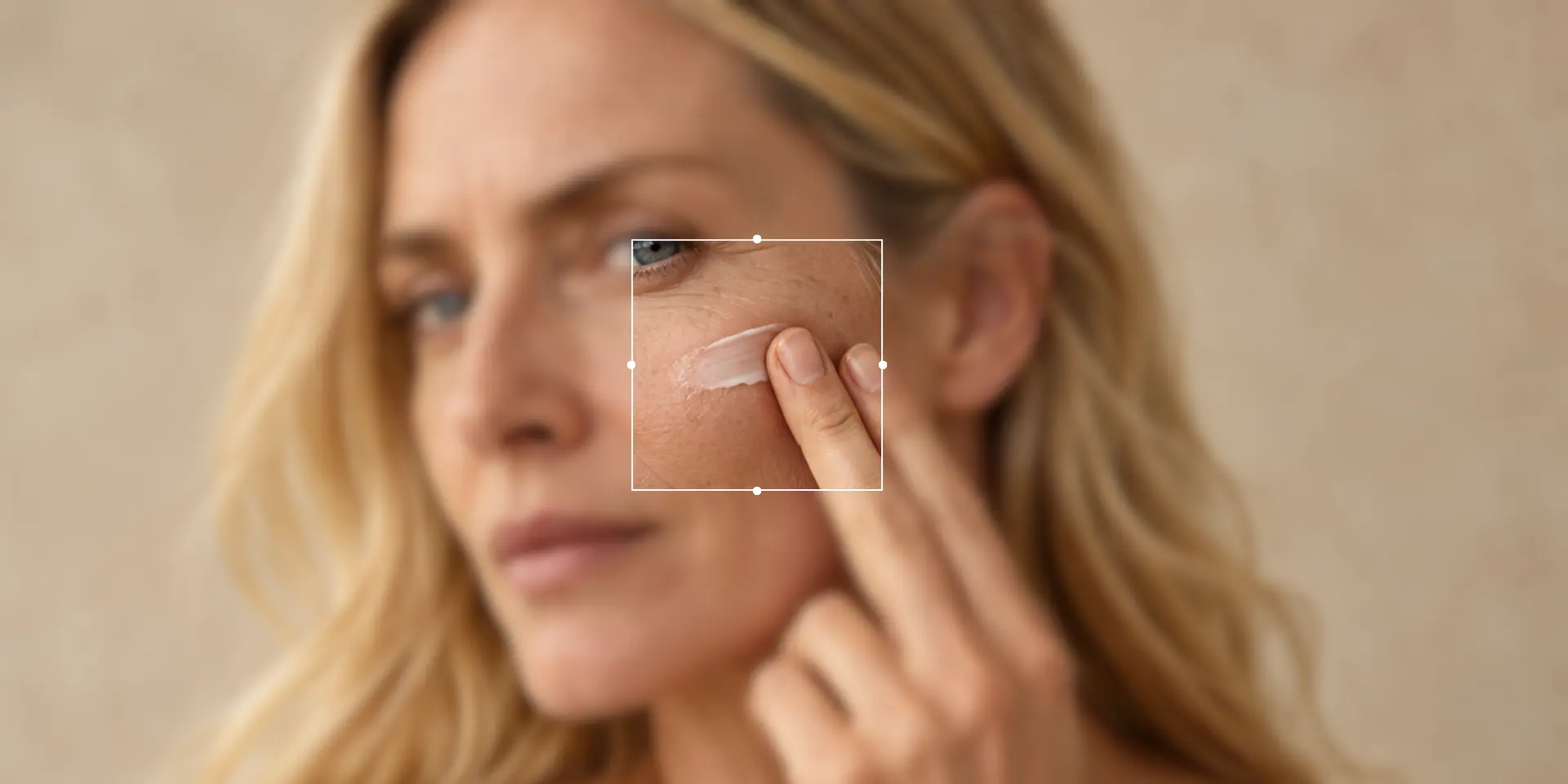
Mountain skin care: Remember to completely remove your photoprotection with soap-free cleansers with a foam texture to completely remove any product residue. Then, use rich textures that act as a physical barrier against the wind. If you spend a lot of time in the snow this winter, you may want to upgrade from a light cream like our balance cream to a universal cream for all skin types, including a more nourishing supreme cream for dry and mature skin.
The skin is a living organ and its needs change not only depending on the architecture of your skin (oily – normal – dry) but also on your activity and the weather. Ideally, you should find the 100% natural cream for your well-aging routine that best suits you at all times.

Children’s skin is much thinner and more vulnerable to adverse conditions. All skins need protection, but with them, in addition, keep in mind these points to protect their skin so that they can also enjoy the snow:

More questions? Every skin reacts differently to altitude and extreme cold. If you’re not sure which routine is best for your next trip to the snow, we’re here to help!
Skin-like, biological affinity, and formulation: why, to understand how a cosmetic works, you have to look far beyond its star...

It’s September 21, and you’ve put away your summer suitcases. Going back to school (whether literally or as a euphemism)...

The marketing of photoprotection If you read us, I’m sure you think the same: there are many brands but few...
To provide the best experiences, we and our partners use technologies like cookies to store and/or access device information. Consenting to these technologies will allow us and our partners to process personal data such as browsing behavior or unique IDs on this site and show (non-) personalized ads. Not consenting or withdrawing consent, may adversely affect certain features and functions.
Click below to consent to the above or make granular choices. Your choices will be applied to this site only. You can change your settings at any time, including withdrawing your consent, by using the toggles on the Cookie Policy, or by clicking on the manage consent button at the bottom of the screen.